Broken and Bold: The Display Font with Attitude
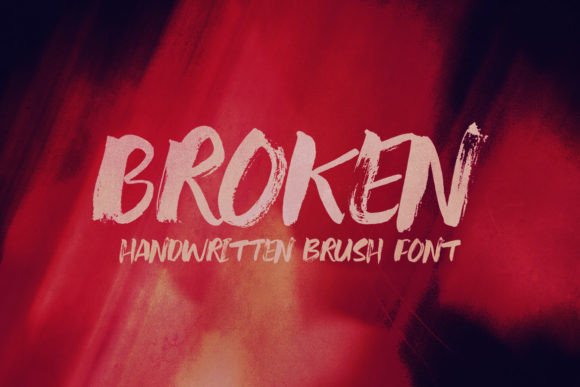
You know that feeling when a design needs to feel raw, authentic, and a little bit rebellious? That's exactly where Broken and Bold shines. This display font brings a brush-textured, hand-crafted energy that instantly injects personality into any project. Whether you're designing a logo for an edgy startup, creating social media posts that demand attention, or putting together packaging that stands out on a crowded shelf, this typeface delivers a visual punch that polished, corporate fonts simply can't match.
Why Brush Texture Fonts Hit Different
There's something inherently human about brush lettering. Each stroke carries the slight imperfections and variations that come from a hand holding a tool, moving with intention across a surface. Broken and Bold captures that organic quality digitally, giving you the warmth and authenticity of hand-lettering without the inconsistency that sometimes makes hand-drawn typography tricky to work with in professional settings.
The texture in this font isn't just decorative—it communicates mood. Rough, gritty edges suggest something underground, artistic, or countercultural. That makes it a natural fit for brands and projects that want to position themselves as creative, unconventional, or refreshingly honest. Think independent coffee roasters, streetwear labels, music festivals, artisan bakeries, or any business that wants to shake off the sterile corporate vibe and connect with people on a more visceral level.
Where This Creative Font Really Comes Alive
Let's get practical. You've got this bold, textured display font in your toolkit—now what? Here's where designers and creators consistently find it works beautifully:
- Logo design and brand identity: If your brand personality leans toward artistic, adventurous, or rebellious, a font like Broken and Bold can become the cornerstone of your visual identity. It works especially well for businesses in creative industries, outdoor adventure, craft beverages, or music.
- Poster and event graphics: Concert posters, festival announcements, gallery openings, and community events benefit enormously from typography that feels energetic and hand-made. The brush texture adds a tactile quality that draws the eye.
- Social media graphics: In a feed full of clean sans-serif headlines and predictable layouts, a textured display font stops the scroll. Use it for quotes, announcements, sale graphics, or any content where you want maximum visual impact.
- Packaging design: Products on shelves compete for attention in milliseconds. Distinctive typography helps your product communicate its personality before anyone reads a single word of copy. This font works particularly well for artisanal, handmade, or specialty products.
- Merchandise and apparel: T-shirts, hats, tote bags, stickers—merch lives and dies by its visual appeal. A bold, textured font translates beautifully to printed merchandise because the brush quality adds depth and character at larger scales.
- Website headers and hero sections: While you wouldn't set an entire blog post in a display font, using Broken and Bold for headlines, section titles, or call-to-action buttons on a website creates visual hierarchy and personality.
- Invitations and editorial layouts: Wedding invitations with an edgy twist, magazine covers, zine layouts, and book covers all benefit from typography that tells a story through its visual texture.
Pairing Broken and Bold with Other Typefaces
Here's where the real craft comes in. A display font like this is a showstopper, but it needs the right supporting cast. Think of it as the lead vocalist—it sounds incredible, but it needs a rhythm section to really work.
For body text, look for clean, highly readable options. A simple sans-serif font with generous spacing pairs well because it doesn't compete for attention. Something like a neutral geometric sans-serif lets the brush texture headline do its thing while keeping longer passages comfortable to read. If your brand skews more traditional or editorial, a classic serif font for body copy can create an interesting contrast—rough meets refined.
The key principle is contrast in weight and texture. If your headline is rough and bold, your supporting typeface should be smoother and lighter. If your headline is all energy and movement, your body text should feel calm and grounded. This creates a natural visual hierarchy that guides the reader's eye exactly where you want it to go.
Always test your font pairings in context. A combination that looks great in a font specimen preview might feel overwhelming or chaotic in an actual layout. Mock up real content—actual headlines, real paragraphs, genuine call-to-action text—and evaluate the pairing as it would actually appear in your project.
Readability Considerations for Display Typography
Let's address something important: readability isn't the same thing across all contexts. A font that's perfect for a 48-point headline might be completely illegible at 12 points in a paragraph. Understanding this distinction is what separates thoughtful typography from amateur design.
Broken and Bold is a display typeface, which means it's designed to work at larger sizes. Use it for headlines, titles, short phrases, and callouts where the texture and personality can be fully appreciated. At these sizes, the brush details read as intentional style choices rather than visual noise.
Avoid setting body copy, lengthy paragraphs, or small text in any textured display font. The details that make it beautiful at large sizes become distracting obstacles at small sizes. Your audience needs to absorb information quickly, and readable body text is what makes that possible.
Consider your medium carefully too. A textured font might look stunning in print at a certain size but lose clarity on low-resolution screens. Test your designs across the actual platforms and devices where your audience will encounter them.
Making Smart Choices About Font Licensing
If you're working on commercial projects—and even if you're starting with personal projects that might grow into something commercial—licensing matters. A premium font with clear commercial licensing gives you the legal foundation to use your designs confidently across client work, products for sale, advertising, and digital content.
Before committing to any typeface for a brand identity or commercial project, review the license terms. Understand what's covered: Can you use it in logos? On merchandise? In digital products? For client work? The best creative font investments are the ones with licensing that matches how you actually work.
Keep your design assets organized and documented. Knowing exactly which fonts you've licensed, under what terms, and for which projects saves enormous headaches down the road—especially if your brand grows, you take on clients, or you expand into new product lines.
Building a Versatile Typography Toolkit
Every designer, whether professional or passionate hobbyist, benefits from building a curated collection of typefaces that covers different moods and functions. You might keep a reliable sans-serif for clean, modern work, a serif for editorial or traditional projects, a script or handwritten font for personal touches, and a few distinctive display fonts for moments that demand visual drama.
Broken and Bold fills that bold, character-driven niche beautifully. It's the font you reach for when a project needs to feel alive, textured, and unapologetically expressive. Combined with your other design assets—a solid sans-serif, an elegant serif, maybe a complementary script—you have the typographic range to handle virtually any creative brief that comes your way.
The best typography choices aren't about following trends or picking the most popular font. They're about finding typefaces that genuinely express what a project, brand, or message needs to communicate. When the visual style of your letters matches the personality of your content, that's when design stops being decoration and starts being real visual communication.