Franklin Stone: A Typeface That Feels Like a Handshake
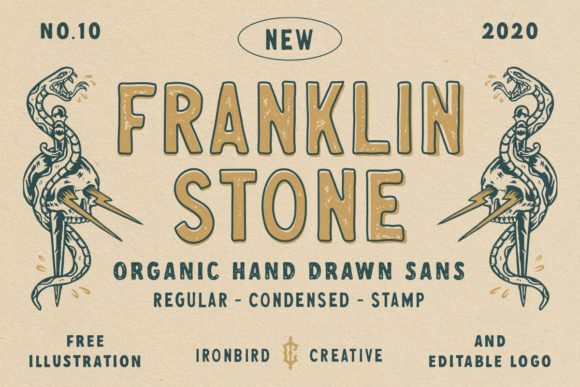
You know that feeling when you walk into a local coffee shop and everything just feels right? The wooden tables, the handwritten menu, the vintage light fixtures—it all tells a cohesive story without saying a word. That’s the kind of silent communication great typography achieves. Franklin Stone is an organic, simple and vintage styled display font that captures that exact essence. It’s the typographic equivalent of a warm, firm handshake—confident, approachable, and memorable. For anyone building a brand, crafting a product, or designing marketing materials, this typeface offers a distinct voice that resonates with authenticity.
More Than Just Letters: The Visual Personality of Franklin Stone
At its core, Franklin Stone is a display font, meaning it’s crafted to make an impact at larger sizes, like in logos, headlines, or poster titles. Its design philosophy leans into a vintage aesthetic, but with a clean, organic simplicity that keeps it from feeling dated or overly ornate. Think of the subtle imperfections in hand-lettered signage from the early 20th century, refined for modern use. The letterforms have a gentle, slightly rounded quality that feels human-made rather than digitally perfect. This isn't a sterile, geometric sans serif or a flowing script; it's a balanced serif font with character. The moderate stroke contrast and clear counters (the enclosed spaces in letters like 'o' and 'e') ensure it remains legible, even with its stylistic flair. This balance is crucial—it allows the font to carry personality without sacrificing function.
Where Franklin Stone Truly Shines: Real-World Applications
The versatility of a well-designed display font like this is one of its greatest strengths. It’s not a workhorse for body text, but for the moments where you need to capture attention and convey a specific mood, it’s invaluable. Here’s how different creators are putting it to work:
- Brand Identity & Logo Design: For businesses rooted in craftsmanship, heritage, or natural products—think artisan bakeries, boutique breweries, eco-friendly skincare, or independent bookshops—Franklin Stone can become the cornerstone of a brand identity. A logo set in this typeface immediately communicates tradition and quality, helping with brand recognition.
- Packaging Design: On a shelf crowded with loud, minimalist designs, packaging using Franklin Stone stands out with quiet confidence. It’s perfect for labels on gourmet foods, craft beverages, or handmade candles, where the typography itself becomes part of the product's story.
- Print & Editorial: Think about the masthead of an indie magazine, the title of a cookbook, or chapter headings in a novel. Franklin Stone adds a touch of elegance and authority to editorial layouts, making the reading experience feel more curated and intentional.
- Digital Presence: Used strategically on a website—for hero section headlines, about page titles, or call-to-action buttons—it can break the monotony of standard web fonts. For social media graphics, it’s ideal for quote cards, announcement posts, or Instagram story templates, helping content feel more polished and shareable.
- Marketing & Merchandise: From event posters and flyers to t-shirt designs and tote bags, the font translates beautifully to merchandise. Its vintage charm works well for music festivals, farmers' market promotions, or any campaign aiming for a nostalgic, community-focused vibe.
Practical Typography: Pairing and Professionalism
Choosing the right font is only half the battle. Using it effectively is what elevates a project from good to great. Here’s some actionable advice for integrating Franklin Stone into your work:
Font Pairing is Key. A display font like this thrives when paired with a more neutral, readable companion. For body text, consider a clean sans serif font like Lato or Open Sans. This creates a pleasing contrast—the display font handles the personality, while the sans serif handles the dense information. Avoid pairing it with another strong stylistic font, like a decorative script font, as they will compete for attention.
Test for Readability in Context. Always mock up your design at the actual size it will be seen. A font that looks beautiful in a design tool might lose its clarity when scaled down for a website subtitle or when printed on a small label. Check letter spacing (tracking) and line height (leading) to ensure comfortable reading.
Understand the Licensing. If you’re using Franklin Stone for a commercial project—a client’s logo, a product you sell, or paid marketing materials—you need a commercial font license. This is a standard practice for premium fonts and ensures you have the legal right to use the design asset in your work. Always review the license details before purchasing.
Explore the Font Family. Many creative fonts come with multiple styles—bold, italic, condensed, etc. If Franklin Stone includes these, experiment with them. A bold weight can add emphasis to a key word, while an italic might suit a tagline. This variety helps you build a richer typographic hierarchy within a single project, enhancing visual consistency.
A Tool for Connection, Not Just Decoration
Ultimately, typography is a tool for communication. The goal isn’t just to make something look pretty, but to make it feel right. Franklin Stone excels in projects where you want to evoke a sense of history, craftsmanship, and genuine warmth. It helps bridge the gap between a brand and its audience by using a visual language that feels familiar and trustworthy. Whether you’re a small business owner crafting your first identity, a designer seeking a distinctive typeface for a client, or a content creator looking to add a professional touch to your digital products, it offers a practical way to inject personality and cohesion into your work. In a landscape of fleeting trends, a font with timeless appeal is a valuable asset for building lasting brand recognition.