Baby Font: Bold, Chunky Fun for Standout Kids' Designs
There's a certain energy that jumps off the page when a design gets typography right, especially when the project is aimed at a younger audience. You need something that feels playful without being childish, bold without being overwhelming, and clear enough to grab attention in a crowded market. If you have been scrolling through endless lists of script fonts and sans serifs looking for that perfect typeface for a children’s clothing line or a nursery branding kit, you might have missed out on a specific style that solves a lot of common design headaches: the bold, chunky display letter.
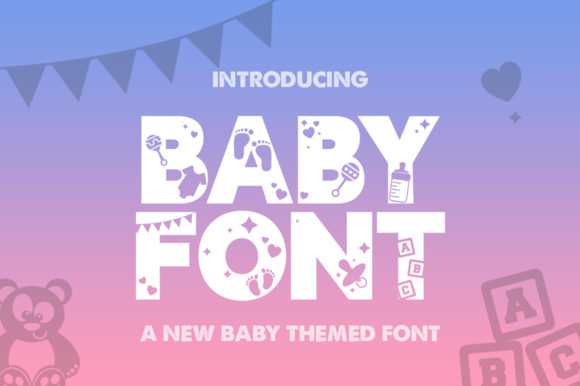
Enter the Baby font. It is a distinct typeface characterized by its heavy, rounded letterforms and a confident presence on the canvas. Unlike delicate serifs or flowing scripts that can sometimes get lost in busy patterns, this style of typography is built to stand up and be seen. It brings a tactile quality to digital designs, almost looking like it has been cut out of thick paper or molded from clay. For designers, marketers, and small business owners working in the family and lifestyle sectors, understanding how to wield this kind of visual weight can be the difference between a design that blends in and one that sells.
The Visual Appeal of Chunky Typography
Why does a typeface like Baby work so well for modern design trends? We are currently seeing a shift away from ultra-thin, minimalist typography toward more expressive, retro-inspired, and bold styles. In the world of display font choices, "chunky" is synonymous with "friendly." The rounded edges and thick strokes inherent in this style remove the intimidation factor often associated with corporate typography. Instead, it invites the viewer in.
Visually, a bold lettered display font creates an immediate focal point. In visual communication, hierarchy is everything. You need the viewer to read the most important information first—whether that is a brand name, a sale price, or a headline. Baby handles this effortlessly. Because of its weight, it commands attention even at smaller sizes, though it truly shines when given room to breathe. It offers a professional presentation that feels polished yet approachable, striking a balance that is often difficult to achieve with standard system fonts.
Real-World Applications: From Packaging to Screens
The versatility of a premium font like this extends far beyond just typing out a child's name. Its structural integrity makes it a workhorse for various design assets. If you are a small business owner in the baby product industry, or a content creator focusing on parenting, here is how you can practically apply this typeface to improve your workflow and output.
Branding and Logo Design
When building a brand identity, consistency is key. Baby serves as an excellent anchor for a logo. Its readability ensures that the brand name remains legible across different mediums, from a favicon on a browser tab to the side of a shipping box. It pairs beautifully with a clean sans serif font for body text, creating a dynamic contrast that feels modern and organized. If you are launching a new line of organic baby food or a boutique clothing store, this font style suggests reliability and warmth without needing additional graphic elements to prop it up.
Packaging and Merchandise
In packaging design, shelf appeal is the primary goal. A bold typeface cuts through the noise of a retail environment. Imagine a hang-tag on a piece of children's clothing or the label on a jar of bath products; a thick, rounded font ensures the product name is readable from a distance. Furthermore, for merchandise like tote bags, t-shirts, or mugs, Baby provides that "screen print" aesthetic that is popular in modern apparel. It translates well to physical goods because the letterforms are distinct and don't rely on thin lines that might fade or break during the printing process.
Digital Presence and Social Media
On platforms like Instagram or Pinterest, where users scroll rapidly, you have milliseconds to stop the thumb. Social media graphics benefit immensely from high-contrast typography. Using Baby for Instagram Stories, Reels covers, or quote cards ensures your message is absorbed instantly. It is also a fantastic choice for web design, specifically for hero headers. A large, bold headline in this style sets a welcoming tone for a blog or e-commerce site immediately upon loading, improving the user experience by guiding the eye naturally.
Strategic Typography: Improving Engagement and Recognition
Choosing a font is rarely just about aesthetics; it is a strategic business decision. Typography influences how a message is perceived emotionally. When you utilize a typeface like Baby, you are leveraging modern typography principles to foster better audience engagement.
First, consider brand recognition. Distinctive typography is easier to remember than generic text. When customers see that specific bold, friendly lettering repeatedly across your marketing assets—your email newsletters, your website headers, and your physical flyers—they begin to associate that visual style with your business. This builds trust and familiarity over time.
Second, there is the matter of readability. While artistic, swirling scripts look beautiful, they can often be difficult to decipher, particularly for those with visual impairments or dyslexia. A bold, geometric display font prioritizes clarity. By using this for your headlines, you ensure that your core message is accessible to the widest possible audience, which is a hallmark of good, inclusive design.
Practical Tips for Integrating Baby into Your Workflow
As a designer or creative entrepreneur, simply downloading a new font is only the first step. To get the most out of a creative font like Baby, you need to integrate it thoughtfully into your existing toolkit.
- Mastering Font Pairings: Display fonts are rarely meant to be used for long paragraphs of text. They are the headline act, not the supporting cast. To maintain a professional presentation, pair Baby with a highly legible sans serif font or a standard serif font for your body copy. For example, the thick, rounded nature of Baby contrasts well with the structured, clean lines of a font like Open Sans or Lato. This contrast creates visual interest and ensures the reader doesn't get fatigued.
- Testing and Hierarchy: Before finalizing a design, test the font at various sizes. A common mistake in editorial design or web design is using a display font that is too small, causing the thick letters to clump together. Give this typeface space. Use it for large headers, pull quotes, or call-to-action buttons. Let the negative space around the letters highlight their unique shape.
- Licensing and Commercial Use: If you are using this for commercial projects—such as designing logos for clients or selling merchandise—it is vital to understand the licensing. A commercial font license ensures you have the legal right to use the typeface for profit. Always review the license details included with the download to ensure it covers your specific use case, whether it is for digital products or physical goods.
- Color and Texture: Chunky fonts interact differently with color than thin fonts. Because the letterforms have more surface area, they can handle bold colors and even subtle textures or gradients without losing legibility. Experiment with pastel palettes for a soft nursery vibe, or bright primaries for a high-energy toy brand.
Designing for the Modern Parent and Consumer
The market for children’s products and family-oriented services is competitive. Parents today are design-savvy; they grew up with the internet and appreciate high-quality aesthetics. They are drawn to brands that look established and thoughtful. By incorporating a high-quality display font like Baby into your brand identity, you signal that you care about the details.
Whether you are a hobbyist creating a scrapbook for your own family, or a marketing professional launching a national campaign for a toy company, the principles remain the same. Good typography facilitates communication. It removes barriers between your message and your audience. It turns a simple word into a visual experience.
Ultimately, the goal of any design project is to make a connection. A font like Baby acts as a bridge, offering a friendly, approachable, and bold voice for your projects. It allows you to create visual consistency across all your touchpoints, from the smallest mobile screen to the largest printed poster. By focusing on legibility, personality, and strategic pairing, you can elevate your children’s designs from simple arrangements of text to memorable, engaging visual stories that resonate with your audience.