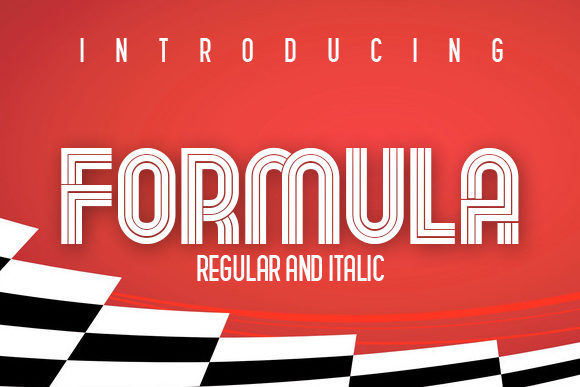
Formula: A Bold Typeface for Creative Projects
There's a moment in every creative project where the typeface either disappears into the background or steps forward to make a statement. If you're tired of default fonts that feel safe but forgettable, Formula offers something different. It's a display typeface built around abstract shapes, celebrating the kind of visual energy that makes people stop scrolling, pause mid-page, or pick up a product from the shelf. This isn't a font that whispers. It speaks with confidence, and that's exactly what many projects need.
What Makes Formula Visually Distinctive
Formula draws its personality from geometric abstraction. The letterforms lean into bold, unconventional shapes that feel modern without being cold. Each character carries visual weight, which means headlines set in this typeface command attention immediately. The design avoids the overly rounded or overly angular extremes you'll find in many contemporary display fonts. Instead, it strikes a balance that feels both artistic and functional.
What stands out most is how the font handles negative space. The counters and apertures are shaped in ways that create rhythm across a line of text. When you set a headline or a title, the result feels dynamic rather than static. This quality makes Formula particularly effective for projects where visual storytelling matters as much as the message itself.
The typeface comes in multiple styles, giving you flexibility to experiment with weight and emphasis. You can use a lighter style for elegant editorial layouts or push toward the bolder options for packaging that needs to pop from a distance. That range of expression within a single font family is a practical advantage for anyone building a cohesive visual system.
Where Formula Works Best
Display fonts like Formula shine in contexts where text needs to carry emotional weight. Think about a brand logo that needs to feel contemporary and distinctive. Or a social media graphic competing against dozens of other posts in a crowded feed. In both cases, the typeface does heavy lifting by establishing tone before anyone reads a single word.
Here are some real-world applications where this typeface performs well:
- Logo design – The abstract letterforms create memorable wordmarks that stand apart from competitors using overused sans serif or script fonts.
- Packaging design – Bold display type catches the eye on shelves, especially for products targeting design-conscious consumers.
- Social media graphics – Strong typographic hierarchy helps posts get noticed in fast-scrolling environments.
- Website headers – A striking hero headline sets the tone for the entire user experience.
- Poster and event design – Large-scale applications let the font's geometric character fully express itself.
- Merchandise and apparel – Tote bags, t-shirts, and stickers benefit from typefaces that read well at various sizes while maintaining personality.
- Invitations and editorial layouts – For projects that blend art direction with communication, the font adds a layer of visual sophistication.
- Digital products and marketing assets – E-book covers, course thumbnails, and ad creatives all benefit from type that feels premium and intentional.
The key is matching the font's energy to the project's goals. Formula works best when you want to communicate confidence, creativity, or a forward-thinking perspective. It's less suited for body text or contexts requiring quiet neutrality, but that's true of any display typeface.
Pairing Formula with Other Fonts
A display font rarely works in isolation. Most projects need a secondary typeface for body copy, captions, or supporting information. Pairing Formula with the right companion font creates visual harmony while maintaining contrast.
A clean sans serif works well for body text alongside Formula. The geometric qualities of the display font complement modern sans serif families without creating visual competition. Think of fonts like a neutral grotesque or a humanist sans serif for paragraphs, subheadings, and UI elements.
If your brand leans editorial or literary, consider pairing Formula with a refined serif font. The contrast between the abstract display type and a traditional serif creates visual tension that feels intentional and sophisticated. This combination works particularly well for magazine layouts, book covers, and blog headers.
Avoid pairing Formula with another bold display font. Two strong typographic voices competing for attention creates confusion rather than clarity. The goal is hierarchy, where one font leads and the other supports.
Test your pairings in context. Set a mock headline with Formula, then place body copy beneath it using your chosen companion. Look at the overall composition on screen and in print if possible. The best font pairing feels natural, not forced.
Practical Considerations for Using Formula
Before committing to any premium font for a project, a few practical details matter. First, review the licensing terms. Commercial projects require proper licensing, and understanding the scope of what's permitted protects you legally. Most font licenses distinguish between personal and commercial use, and some have specific restrictions on embedding, modification, or distribution.
Second, check the included styles and character set. A well-designed display font should include uppercase and lowercase letters, numerals, punctuation, and multilingual support. If you're working on projects that require accented characters or special symbols, verify those are available before you start designing.
Third, consider readability at your intended size. Display fonts are designed for headlines and large-scale applications. At smaller sizes, even well-designed display type can lose legibility. Use Formula where it performs best: titles, headers, logos, and short bursts of impactful text. For longer passages, switch to a companion font optimized for reading comfort.
Finally, think about consistency across your brand or project. If you're using Formula as part of a brand identity system, document how and where it should appear. Define rules for sizing, color, and spacing so every touchpoint feels unified. Visual consistency builds recognition over time, and a distinctive typeface like Formula becomes a recognizable asset when applied thoughtfully.
Why Typography Choices Matter More Than You Think
Every visual decision you make communicates something. The colors you choose, the images you select, and the typefaces you use all contribute to how your audience perceives your work. Typography often works subconsciously. People may not notice a well-chosen font, but they absolutely notice when something feels off.
A display font like Formula gives you a tool for making deliberate typographic statements. It signals that you've paid attention to visual details. For small business owners building a brand from scratch, that attention to detail creates trust. For designers presenting work to clients, it demonstrates craft. For content creators building an audience, it helps establish a recognizable visual style.
The difference between a project that looks amateur and one that looks professional often comes down to typography. You don't need a design degree to make smart font choices. You need to understand what you want to communicate and select a typeface that reinforces that message. Formula, with its bold geometric character and versatile style options, gives you a strong starting point for projects that demand visual presence.
Whether you're designing a logo for a new startup, creating social media templates for a growing brand, or laying out a poster for an upcoming event, the fonts you choose shape the outcome. Invest time in selecting the right typeface, test it in real contexts, and let it do what good design does best: communicate clearly and memorably.