Nagbuloe: A Font for Crafting Unforgettable First Impressions
There’s a certain kind of typography that doesn’t just sit on the page—it speaks. It carries a whisper of sophistication, a dash of modern flair, and an unmistakable sense of intention. That’s the experience of working with a premium font like Nagbuloe. More than just a collection of letters, it’s a carefully crafted design asset built to bring visual harmony to projects where aesthetics and impact are non-negotiable. For creators who understand that every detail shapes perception, this display typeface offers a compelling blend of elegance and versatility.
Where Style Meets Substance
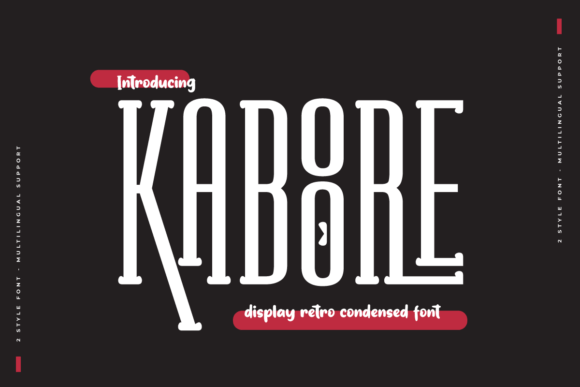
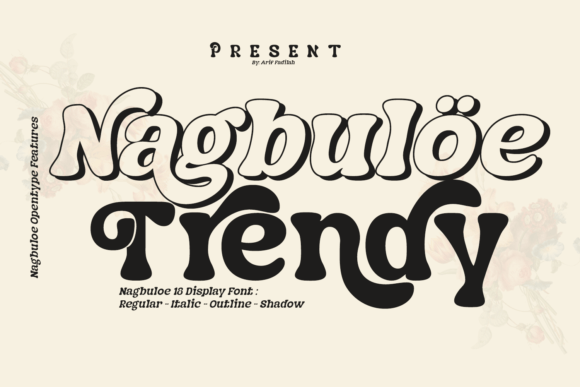
What makes a display font truly valuable isn’t just its beauty—it’s its ability to adapt. Nagbuloe strikes a thoughtful balance. Its letterforms carry a graceful, slightly condensed structure with refined curves and deliberate spacing. This gives it a contemporary serif feel without being stuffy, making it ideal for brands that want to appear polished yet approachable. Whether you’re designing a boutique logo, crafting social media graphics for a new product launch, or laying out an invitation, the typeface maintains its character across scales and contexts. It’s this adaptability that makes it a standout choice in a crowded market of creative fonts.
Think about the brands you admire. Often, their visual identity hinges on a typeface that feels both unique and consistent. Nagbuloe supports that kind of brand recognition. Its distinctive personality helps a business stand out while ensuring that headlines, taglines, and key messages remain cohesive across different platforms—from a website hero banner to a printed brochure. For small business owners and entrepreneurs, this kind of typographic consistency isn’t just nice to have; it’s a practical tool for building trust and memorability.
Practical Applications That Deliver Results
Let’s talk about where a font like this actually shines. Its elegant display nature makes it a strong candidate for projects where first impressions are critical. In packaging design, for instance, Nagbuloe can elevate a product on the shelf, conveying quality and care before a single word is read. For editorial layouts and blog headers, it draws the eye without overwhelming the content that follows. The font works beautifully in modern typography pairings—imagine it as a headline font complemented by a clean sans serif for body text, creating a visual rhythm that guides the reader.
Here are a few specific scenarios where its strengths come into play:
- Logo & Brand Identity: Use it to create a sophisticated wordmark or as a primary typeface for brand collateral.
- Social Media Graphics: Perfect for Instagram quotes, Pinterest pins, or Facebook ads where you need text to pop.
- Marketing Assets: From email headers to digital ads, it helps maintain a professional presentation.
- Print Materials: Think business cards, flyers, and posters that demand attention and readability.
- Digital Products & Invitations: Ideal for e-books, online course materials, or elegant event invitations.
One of the key considerations when selecting a commercial font is its range of styles. Does it offer enough flexibility for different weights or treatments? While the specifics can vary by foundry, a quality display typeface like this often includes multiple styles—perhaps regular, italic, bold, or alternate characters—that allow for more nuanced design work. Always review what’s included in the font package before purchasing to ensure it meets the technical and creative needs of your project.
Making It Work for Your Audience
Choosing a typeface is never just about personal preference; it’s about communication. The right font helps you connect with your target audience. If your brand caters to a market that values elegance, creativity, or modern sophistication, Nagbuloe’s aesthetic can resonate deeply. However, readability should always be a priority, especially for smaller text sizes or longer passages. This is where font pairing becomes crucial. Use this display font for headlines or key pull quotes, and pair it with a highly legible sans serif or serif font for body copy. Testing your pairings in context—on a mockup website, in a sample social media post—will quickly reveal what works and what doesn’t.
For content creators and marketers, the goal is often to boost engagement. A visually striking headline using a unique typeface can stop the scroll, increase time on page, and make your message more memorable. It’s a subtle but powerful part of visual communication strategy. When your typography feels intentional and aligned with your brand’s voice, it builds a subconscious layer of credibility with your audience.
Integrating a Premium Font Into Your Workflow
Adopting a new typeface is more than a purchase—it’s an integration. Start by understanding the font’s licensing. For any commercial project, whether it’s a client logo or merchandise for sale, you need to ensure you have the appropriate commercial license. This is a critical step that protects both you and the font designer.
Next, build a mini style guide for yourself. Define how you’ll use the font: for what size, in what color, and in what context. This practice helps maintain visual consistency as you create assets over time. Don’t be afraid to experiment with its different weights and styles to see how they can create hierarchy within a single design. For example, using a bold weight for a main headline and a regular weight for a subheading can create clear, attractive visual layers.
Ultimately, a font is a tool. Its value lies in how effectively it helps you solve a design problem or achieve a creative goal. Whether you’re a hobbyist crafting wedding invitations or a designer building a brand identity from scratch, having a reliable and elegant display font in your toolkit opens up new possibilities. It’s about finding that perfect match between your vision and the visual language that brings it to life. With its blend of style and function, Nagbuloe is a typeface that invites you to do just that—to design with confidence and clarity.