Playdot: The Quirky Display Font That Brings Personality to Any Project
There’s a moment in every design project when the typeface either clicks or falls flat. You’ve seen it before—the logo that feels generic, the poster that lacks energy, the social media graphic that blends into the noise. That moment is exactly where a font like Playdot enters the conversation. It’s not just another typeface; it’s a creative tool with a distinct point of view. Playdot is a unique and interesting display font, a little bit quirky, and incredibly adept across a wide variety of contexts. If you’re tired of defaulting to the same safe sans-serifs and overused serifs, exploring what Playdot offers could be the fresh perspective your work needs.
Understanding Playdot's Visual Character
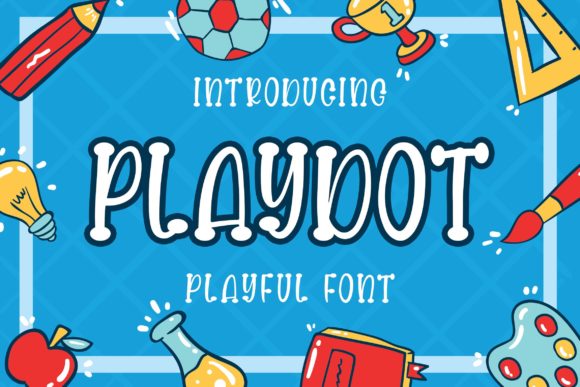
At its core, Playdot is a display font, meaning it’s crafted to make an impact at larger sizes. Think headlines, titles, and hero text rather than body paragraphs. Its personality is where it truly shines. The design carries a modern, slightly playful vibe with subtle irregularities that give it a handmade, organic feel. It avoids the stark, geometric precision of many contemporary typefaces, instead embracing a touch of warmth and approachability. This makes it a fantastic creative font for projects that want to feel human, energetic, and memorable without sacrificing clarity.
What makes it visually appealing is this balance. It’s bold enough to command attention but not so over-the-top that it becomes illegible or distracting. The letterforms have a rhythm and flow that feel dynamic, making static text appear lively. This quality is invaluable for visual consistency and brand recognition. When a brand uses a typeface with this much inherent character, it becomes part of the story. People start to associate that unique look with your voice, whether it’s on a product label, a website banner, or an Instagram story.
Where Playdot Truly Comes Alive: Practical Applications
Theory is one thing, but how does a font like this actually work in the real world? Its versatility is its strongest asset. Because it’s a display font, it’s not meant for reading long sentences, but it excels at grabbing the first glance and setting the tone.
- Branding and Logo Design: For startups, boutique brands, or creative businesses, a logo design using Playdot can instantly communicate innovation and personality. It’s perfect for a coffee shop, a craft brewery, a design studio, or a tech gadget brand that wants to stand out from corporate minimalism.
- Packaging and Merchandise: On a shelf crowded with products, packaging needs to pop. Playdot can make a product name leap off the label. It’s equally effective on merchandise like t-shirts, tote bags, and mugs, where a bold, graphic statement is key.
- Digital Presence: For web design, use it for your H1 headers, call-to-action buttons, or featured section titles. In social media graphics, it’s a game-changer for creating thumb-stopping Instagram posts, Facebook ads, or Pinterest pins that drive engagement. It translates the energy of a poster into a digital feed.
- Print and Editorial: Think beyond the screen. It’s a superb choice for poster design, event flyers, magazine covers, and editorial layouts. For bloggers and content creators, using it in your featured images or as a pull-quote font can elevate your site’s professional presentation.
- Invitations and Special Projects: For wedding invitations, party announcements, or launch event materials, Playdot adds a celebratory, custom feel that standard fonts can’t match.
Making It Work: Pairing and Practical Considerations
Introducing a character-rich font like Playdot into your toolkit requires a bit of strategy to maximize its impact and maintain readability. The key is contrast and hierarchy.
Font Pairing is Non-Negotiable: You almost certainly won’t use Playdot for body text. Pair it with a clean, highly readable sans serif font or a classic serif font for paragraphs. A good pairing creates a visual dialogue: Playdot delivers the headline punch, while its partner delivers the detailed information clearly. Test combinations like Playdot with a neutral sans-serif like Open Sans or a friendly serif like Lora. Let Playdot handle the 20% of text that needs to be seen first.
Context is Everything: Always consider your project’s goals. Is the primary objective to inform? To entertain? To sell? Playdot leans towards the latter two. It’s fantastic for marketing assets, digital products, and lifestyle brands. For a formal annual report or legal document, it would be the wrong choice. But for a startup’s landing page, a podcast cover, or a limited-edition product line, it’s exactly right.
Review the Included Styles: A good premium font like Playdot often comes with a family of styles—perhaps a regular, bold, and italic variant. Explore these options. The italic version might offer a slightly different, more fluid feel perfect for a specific application. Having multiple weights gives you flexibility within your own design system.
Licensing for Commercial Use: If you plan to use Playdot in projects for clients or for sale (like on merchandise or in a template you sell), you must ensure you have the correct commercial font license. Most reputable font marketplaces are clear about this. Using a font commercially without the proper license is a risk no business should take. Always check the End User License Agreement (EULA).
A Tool for Distinction in a Crowded Visual Landscape
In a world saturated with content, having a visual edge matters more than ever. A typeface is more than just letters; it’s a tone of voice, a first impression, and a brand asset all in one. Playdot offers a way to inject genuine personality and craft into your work. It doesn’t scream for attention with gimmicks; it earns it with charm and confidence.
Whether you’re a designer building a brand identity for a client, a small business owner creating your own packaging, or a content creator looking to make your blog and social channels feel more cohesive and professional, exploring a typeface like this is a worthwhile exercise. It challenges the default and encourages more intentional design choices. Download a test version, experiment with a few mockups, and see how its unique rhythm changes the feel of your project. Sometimes, the right quirky detail is all it takes to transform good design into something truly memorable.