Retro Game Font: Your Secret Weapon for Bold, Nostalgic Branding
That unmistakable feeling of popping a cartridge into a console, the satisfying click, and the anticipation of pixels loading onto the screen—there's a powerful nostalgia tied to the 8-bit and 16-bit eras. For designers, entrepreneurs, and content creators, tapping into that retro gaming aesthetic isn't just about style; it's about connecting with an audience on an emotional level. The right typeface can be the bridge to that connection, and a font like Retro Game is built exactly for that purpose. It’s a bold, chunky lettered display font that immediately evokes the classic arcade and early console era, making it a potent tool for projects that demand attention and a touch of playful nostalgia.
More Than Just Pixels: The Visual Appeal of Chunky Typography
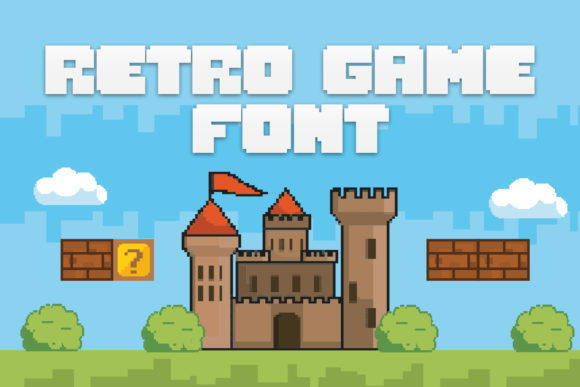
What makes a typeface like Retro Game so visually compelling? Its strength lies in its unapologetic presence. The letterforms are thick, blocky, and constructed with clear, deliberate strokes that mimic the limitations and charm of early digital displays. This isn't a delicate script or a subtle serif font; it's a display typeface designed to dominate a headline, logo, or social media post. The visual weight ensures readability at a glance, while the slightly rounded edges or pixel-inspired details soften the impact, preventing it from feeling harsh. It strikes a perfect balance between being aggressive and approachable, which is a rare quality in display fonts.
This style of modern typography carries inherent personality. It communicates fun, energy, innovation, and a DIY spirit. For a small business, using a font like this in branding can signal that the brand is creative, accessible, and doesn't take itself too seriously—while still maintaining a professional presentation. It’s a premium font that feels both nostalgic and current, fitting seamlessly into contemporary design trends that celebrate retro aesthetics.
Practical Applications: Where This Retro Font Truly Shines
The versatility of a bold display font might surprise you. It’s not just for video game-themed projects. Its chunky structure makes it exceptionally adaptable across a wide range of creative and commercial applications.
For logo design, Retro Game can become the cornerstone of a brand identity. Imagine a retro-themed bakery, a comic book store, a tech repair shop, or a podcast about classic films using this typeface for its wordmark. The logo instantly communicates the brand's niche and personality. In packaging design, it can make a product jump off the shelf, especially for items targeting millennials and Gen X who hold that era dear—think craft beer labels, snack foods, or vinyl record sleeves.
Social media graphics are another perfect playground. A bold headline set in this font will stop the scroll on Instagram or TikTok. It’s ideal for announcing sales, promoting new blog posts, or creating engaging quote graphics. For websites and blogs, it can be used strategically for main headings (H1s, H2s) to create a strong visual hierarchy and inject personality into an otherwise standard layout. Pair it with a clean, simple sans serif font for body text to maintain excellent readability.
Beyond digital, this font excels in print materials and merchandise. Think eye-catching posters for events, invitations for a themed party, or editorial layouts in a magazine feature about gaming history. For entrepreneurs selling digital products like planners, worksheets, or game assets, using Retro Game in the design adds a layer of perceived value and cohesive style. It’s a creative font that can unify marketing assets across different platforms, strengthening brand recognition with every use.
Integrating a Display Typeface into Your Design Strategy
Choosing the right font style is just the first step. To leverage Retro Game effectively, consider your project goals. Is the aim to evoke pure nostalgia? To look cutting-edge and tech-forward? Or simply to grab attention with a fun, bold statement? The font’s personality should align with your brand voice.
A critical practical tip is testing font pairings. A chunky display font works best when contrasted. Avoid pairing it with another decorative or equally bold typeface, as this creates visual chaos. Instead, combine it with a highly legible, neutral companion. A clean sans serif font like Open Sans or Lato for body text is a classic, failsafe combination. Alternatively, a simple, modern serif font could create an interesting juxtaposition for a more editorial feel. Always test your pairings in context—view them on a mockup of your website, business card, or social media template.
Readability considerations are paramount. While Retro Game is designed for impact, it’s best used for short bursts of text: headlines, logos, banners, and titles. Avoid setting entire paragraphs in it, as the dense, blocky letters can become tiring to read at length. Always review the included font styles; many premium display fonts come with alternate characters, ligatures, or stylistic sets that can add flair to specific letters or words.
Finally, commercial licensing is a non-negotiable part of the process. Ensure you understand the license that comes with your font purchase. Most premium fonts offer different tiers for personal, commercial, or extended commercial use. If you're creating assets for a client, merchandise for sale, or widespread digital distribution, verify that your license covers those applications. This step protects both your business and the font designer’s work.
Building a Cohesive and Engaging Visual Identity
The end goal of thoughtful typography is to build a cohesive brand identity that resonates with your audience. Using a distinctive typeface like Retro Game consistently across your touchpoints—from your website’s header to your Instagram story templates and product packaging—creates a unified visual language. This consistency builds brand recognition; customers begin to associate that specific bold, playful look with your business.
It also enhances audience engagement. A font with character and story invites interaction. It makes your content feel more curated and intentional, which elevates your professional presentation. Whether you’re a content creator building a personal brand, a small business owner designing a new product line, or a designer crafting a campaign for a client, this kind of creative font is a valuable addition to your design assets toolkit. It’s not about following a trend blindly, but about selecting a typeface that strategically communicates your message and connects with the people you want to reach. So, mock it up, test it out, and see how a dose of retro gaming flair can make your next project truly stand out.