Slash: The Bold Display Typeface for Fearless Creatives
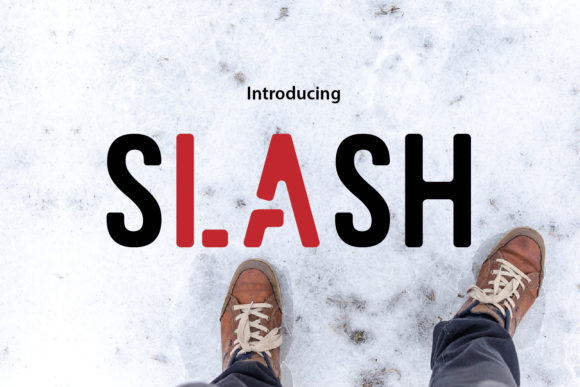
There's a moment in every design project where you need typography that doesn't just sit quietly in the background. You need something that walks into the room and owns it. That's exactly what Slash brings to the table—a bold, authentic display font built around abstract shapes that refuse to play it safe.
Slash isn't trying to be everything to everyone, and that's precisely what makes it so useful. It celebrates eclectic geometry, sharp angles, and forms that feel both contemporary and timeless. If you've ever struggled to find a typeface that actually matches the energy of your creative vision, keep reading. This might be the font that changes how you approach your next project.
Why Abstract Shapes Make Typography Memorable
Most fonts blend into the background. They do their job adequately, communicate the words, and disappear. Slash takes a different approach. Its letterforms are built on abstract, geometric foundations that catch the eye without sacrificing legibility. Each character carries visual weight and personality, which means even a single word set in Slash can become a focal point.
This matters more than you might think. In a world saturated with visual content—social feeds, websites, packaging, advertisements—people make snap judgments in milliseconds. A distinctive display font like Slash gives your work an immediate visual signature. It signals confidence, creativity, and intentionality before anyone reads a single word of your actual message.
The abstract quality of Slash also means it doesn't lean on nostalgic references or trendy aesthetics that will feel dated in eighteen months. Its shapes exist in their own visual space, which gives projects using this font a sense of freshness that lasts.
Where Slash Truly Shines: Real Applications
Understanding a font's personality is one thing. Knowing exactly where to deploy it is another. Slash works best in contexts where you want text to command attention rather than simply inform. Here's where designers and creators are finding the most value:
Branding and Logo Design
A logo needs to work at every size, from a favicon to a billboard. Slash's bold, clean geometry scales beautifully, making it a strong candidate for wordmarks and logotypes. If your brand identity leans toward modern, edgy, or creative territory, this typeface can become the backbone of your entire visual system. Pair it with a simple sans serif font for body copy, and you've got a typographic hierarchy that feels cohesive and intentional.
Packaging and Product Design
Shelf presence is everything in packaging design. Slash's distinctive letterforms help products stand out in crowded retail environments, whether physical or digital. Think craft beverage labels, boutique skincare, artisan food products, or subscription box branding. The abstract quality of the font suggests craftsmanship and attention to detail—exactly the impression most product-based businesses want to make.
Social Media Graphics and Digital Content
Scroll-stopping power is the currency of social media. Headers, quote graphics, story templates, and promotional posts all benefit from a typeface that grabs attention instantly. Slash delivers that impact without relying on gimmicks. Content creators, bloggers, and marketers can use it to build a recognizable visual style across platforms, reinforcing brand recognition with every post.
Websites, Blogs, and Digital Products
Web design relies heavily on typography to establish tone and guide user experience. Slash works beautifully for hero sections, landing page headlines, section headers, and call-to-action text. It's particularly effective for creative portfolios, agency websites, online course branding, and digital product packaging where visual presentation directly influences purchasing decisions.
Print Materials, Posters, and Editorial Layouts
Magazine covers, event posters, business cards, brochures, and invitations all demand typography that communicates personality at a glance. Slash brings editorial energy to layouts, making it ideal for publication design, event branding, and any print project where you want the typography to do heavy lifting alongside imagery.
Merchandise and Invitations
From t-shirt graphics to wedding invitations, Slash adds a bold creative edge. Its abstract shapes translate well to merchandise where text becomes part of the design itself, and its confident presence makes special event invitations feel genuinely special.
Choosing the Right Font Style for Your Project
Not every project needs the same typographic treatment, and understanding when to reach for a display font versus something more restrained is a skill worth developing. Slash occupies the display category, which means it's designed for larger sizes where its details can be fully appreciated.
A few practical guidelines help here. Use Slash for headlines, titles, and short bursts of text where impact matters most. Avoid setting entire paragraphs in a display typeface—readability drops significantly at smaller sizes, and the visual complexity that makes Slash striking at forty-eight points becomes noise at twelve points.
Instead, pair Slash with a complementary body font. A clean sans serif font works well for modern, minimal projects. A classic serif font can create interesting contrast for editorial or luxury branding. Even a simple handwritten font or script font can complement Slash's geometric boldness for certain creative applications like invitations or social graphics.
Testing font pairings before committing is always worth the time. Set your headline in Slash, your body text in a candidate companion font, and look at them together at actual size. Do they compete or collaborate? Does the overall combination feel like it belongs to the same brand? Trust your eye—it usually knows.
Building Visual Consistency Across Touchpoints
One of the most overlooked benefits of choosing the right premium font early in a project is the consistency it creates. When you establish Slash as your primary display typeface, every touchpoint—from your website header to your Instagram stories to your business cards—carries the same visual DNA.
This consistency builds brand recognition faster than almost any other design decision. People start associating that distinctive typographic voice with your business, your content, your products. Over time, they recognize your materials before they even read the words. That's the power of deliberate typography choices.
For small business owners and entrepreneurs working without a dedicated design team, this kind of built-in consistency is invaluable. You don't need to reinvent your visual approach for every new project. You establish your typographic foundation once, document it, and apply it everywhere.
Licensing, File Formats, and Practical Considerations
Before using any font commercially, verify the licensing terms. Most premium fonts come with clear commercial licenses, but the specifics vary. Some licenses cover a certain number of users or projects. Others offer broader coverage. Read the details before launching a campaign or printing a large run of materials.
Check what file formats are included. Standard formats like OTF and TTF cover most use cases, from desktop design software to web implementation. If you need a web font format like WOFF or WOFF2, confirm those are part of the package. Understanding these details upfront saves headaches later.
Also review what styles come with the font family. Some display fonts include multiple weights, alternates, or stylistic variations that expand your creative options significantly. Having access to bold, regular, and condensed versions of a typeface like Slash gives you flexibility to maintain visual consistency while adapting to different contexts and layouts.
Making Your Next Project Stand Out
Typography is one of the most powerful tools in any creative professional's toolkit, yet it's often treated as an afterthought. The fonts you choose communicate tone, quality, and personality before any other design element registers. Slash offers a distinctive voice—bold, abstract, confident—that serves creators who want their work to leave a lasting impression.
Whether you're building a brand from scratch, refreshing an existing visual identity, designing packaging for a new product line, or creating social media content that actually stops the scroll, Slash provides a strong typographic foundation. Its abstract geometry gives you something genuinely different in a landscape full of safe, forgettable choices.
The best way to understand what this typeface can do is to use it. Set your next headline in Slash. Build a mockup of your next project around it. See how it changes the energy of your work. Sometimes the right font doesn't just complete a design—it transforms it.