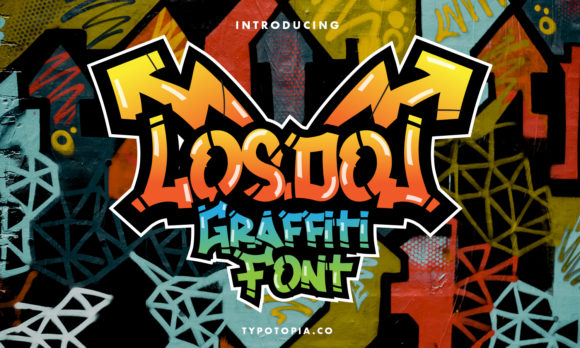
Losdol: The Graffiti-Inspired Font for Bold Branding
There’s a particular energy that jumps off the screen when a design captures street-level authenticity. It’s the kind of visual punch that stops a social media scroll or makes a product package feel alive. For designers and entrepreneurs looking to inject that raw, vibrant vibe into their work, finding a typeface that bridges the gap between artistic expression and commercial utility is often the missing piece. This is where the colorful world of graffiti-inspired typography comes into play, offering a solution that feels both edgy and incredibly versatile for modern branding.
Visual Character and Street Art Appeal
At its core, this typeface is a display font that draws heavily from the dynamic, fluid aesthetics of urban art. Unlike rigid geometric typefaces, it embraces movement. The letterforms often feature irregular baselines, varied stroke weights, and a sense of spontaneity that mimics the work of a skilled spray-paint artist. This isn't just about looking "cool"; it’s about communicating personality instantly. The visual texture of the font suggests creativity, rebellion, and a break from the mundane. It’s the typographic equivalent of a bold mural on a city wall—impossible to ignore and full of character.
What sets this specific style apart is its ability to maintain legibility while pushing creative boundaries. Many decorative fonts sacrifice readability for style, but a well-crafted graffiti font balances the two. The letters are distinct enough to be read quickly in headlines or logos, yet stylized enough to serve as a central design element. This makes it an excellent choice for projects where the text itself needs to be a focal point, rather than just a vessel for information.
Practical Applications for Modern Creators
When you’re building a brand or launching a product, every visual element tells a story. This font finds its home in a surprising variety of contexts, proving that street style isn't limited to skate shops or music labels. Consider the packaging for a craft beverage or a boutique coffee brand. Using this typeface for the product name can instantly convey a sense of artisanal, hand-crafted quality, setting it apart from competitors using standard sans-serif fonts.
For small business owners, the applications are vast. It works beautifully for:
- Logo Design: Creating a memorable mark that stands out in a crowded market.
- Social Media Graphics: Stopping the scroll with bold, energetic text overlays on Instagram or TikTok.
- Merchandise: Designing T-shirts, tote bags, and hats where the typography becomes the artwork.
- Event Invitations: Setting the tone for a launch party, concert, or urban-themed event.
- Editorial Layouts: Adding a striking pull-quote or header in magazines and blogs.
Content creators and bloggers can also leverage this style to establish a distinct visual voice. Instead of blending in with the sea of minimal, clean fonts that dominate the web, using a graffiti-inspired display font for headers or featured images can create a signature look that readers associate with your content. It’s about building a visual language that is uniquely yours.
Enhancing Brand Recognition and Engagement
Typography is one of the most powerful tools in a marketer’s arsenal for building brand equity. When a customer sees a specific font style repeatedly, they begin to associate it with your brand’s values. The energetic, youthful, and creative connotations of a graffiti font can help position a brand as innovative and approachable. It’s particularly effective for targeting younger demographics or any audience that values authenticity and creativity.
However, the key to success with such a distinctive typeface is strategic deployment. Using it for every piece of text would be overwhelming. Instead, think of it as a highlighter. Use it for your primary headline, your logo, or key calls to action. Pair it with a clean, neutral sans-serif or serif font for body text. This contrast not only makes the display font pop but also ensures that your message remains easy to read. For instance, a website might use the graffiti font for the main banner and navigation links, while using a simple serif font for blog post content. This approach maintains visual consistency and professional presentation while still delivering that impactful first impression.
Integrating the Font into Your Design Toolkit
Before committing to any premium font for a commercial project, it’s wise to consider a few practicalities. First, review the full character set. A robust display font should include uppercase and lowercase letters, numbers, punctuation, and often a set of alternates or ligatures. These extra glyphs can be lifesavers when you need to customize a logo or create a specific stylistic effect, such as connecting two letters in a unique way.
Licensing is another critical factor. If you’re using the font for a client’s business, a product you sell, or a monetized website, you need a commercial license. Always verify that the license covers your intended use, whether it’s for digital products, printed materials, or merchandise. This protects both you and your client from legal issues down the line.
Finally, test your font pairings thoroughly. The right combination can elevate your design from good to great. Try pairing the bold, expressive graffiti font with a geometric sans-serif for a modern, tech-forward feel, or with a classic serif for an unexpected, high-fashion contrast. See how they look at different sizes and on various backgrounds. The goal is to create a harmonious hierarchy where the display font commands attention without clashing with the supporting text.
In the end, choosing a typeface like this is about more than just aesthetics; it’s a strategic decision that shapes how your audience perceives your brand. It’s for the entrepreneur who wants to stand out, the designer crafting a memorable campaign, or the creator building a community around a shared vibe. When used thoughtfully, it becomes more than just letters on a page—it becomes the heartbeat of your visual identity.