Barn Dance: A Display Font with Character and Charm
There's a moment in every creative project when the typography either clicks or clashes. You've seen it before—a beautiful logo that feels slightly off, a social media graphic that doesn't quite land, or packaging that fails to stand out on the shelf. Often, the missing piece isn't a better image or a flashier color palette. It's the right typeface. That's where a character-driven display font like Barn Dance enters the conversation, offering a distinct personality that can anchor an entire visual identity.
Understanding the Visual Personality
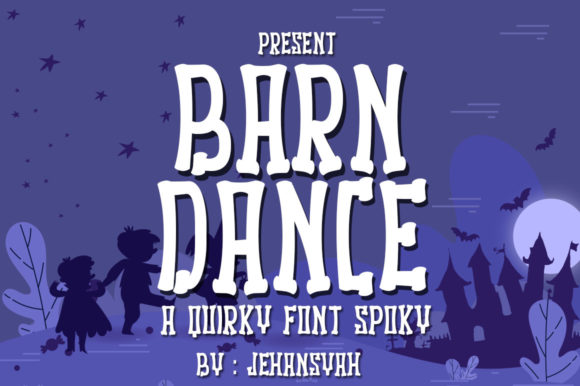
At its core, this typeface is a premium font with a bold, expressive voice. It's not a quiet, neutral workhorse. Instead, it leans into its display font classification with strong, confident letterforms that command attention. Think of it as the typographic equivalent of a confident handshake or a warm, memorable smile. Its visual style balances a certain rustic charm with a clean, modern sensibility, making it surprisingly versatile. It avoids feeling overly whimsical or cartoonish, which allows it to serve serious creative and commercial projects without losing its approachable character.
The design likely incorporates subtle details—a slightly uneven baseline, a unique treatment of certain letters, or a crafted imperfection—that give it an organic, handmade feel. This is what separates a creative font from a generic one. It has a story baked into its strokes. For a small business owner crafting a brand identity, this inherent personality is invaluable. It provides an immediate emotional cue, suggesting authenticity, craftsmanship, or a down-to-earth sensibility before a single word of copy is read.
Where This Font Truly Shines: Practical Applications
Knowing a font looks interesting is one thing. Knowing exactly where to use it is where the real value lies. A typeface like this finds its home in projects that need to make a strong first impression and convey a specific mood.
Branding and Logo Design: This is a natural fit. A strong logo requires a font that is both memorable and legible at various sizes. The distinct character of this typeface can become the cornerstone of a brand's visual identity, especially for businesses in artisanal food, boutique retail, outdoor adventure, rustic weddings, or any service that values a personal, trustworthy touch. It pairs well with a clean sans serif font for body text, creating a balanced and professional presentation.
Packaging Design: On a crowded shelf, packaging has about three seconds to tell a story. Using a display font for the product name or key messaging instantly communicates the product's ethos. Imagine this font on a craft coffee bag, a jar of local honey, or a box of handmade soaps. It signals quality and care, helping to improve brand recognition through consistent and thematic typography.
Digital Presence and Marketing: For social media graphics, blog headers, or website hero sections, this font can stop the scroll. It's perfect for creating impactful quotes, announcing sales, or highlighting key features in a digital ad. When used in a consistent way across your Instagram posts or Pinterest pins, it builds a recognizable visual thread that strengthens your online brand identity. It's a design asset that helps your content stand out in a fast-moving feed.
Print and Event Materials: Think beyond the screen. This font is ideal for creating invitations to a rustic-chic wedding, a community barn dance (fittingly), or a farm-to-table dinner. It works beautifully on posters for local events, farmers' market signage, or thank you cards included with orders. The goal of these materials is often to create a tangible, personal connection, and the right typeface is a powerful tool for achieving that.
Making It Work for Your Project: Practical Typography Tips
Adopting a new font is exciting, but a strategic approach ensures it enhances rather than overwhelms your design. Here’s how to integrate a display font like this effectively.
- Define the Goal First: Before you even download the font, ask: What emotion should this project evoke? Is it rustic, elegant, playful, or strong? Let the answer guide your choice. If your project calls for a serious, corporate tone, a bold display font might not be the primary choice, but could be used sparingly for a specific accent.
- Master the Art of Font Pairing: A display font is rarely used alone for large blocks of text. The key is pairing it with a complementary typeface. A classic approach is to pair it with a simple, highly readable serif font or a clean sans serif font for paragraphs, descriptions, and longer copy. This creates a clear hierarchy, where the display font grabs attention for headlines, and the secondary font ensures readability for the details.
- Consider Readability and Context: Always test your text at the actual size it will be viewed. A font that looks stunning in a 72pt headline might become difficult to read at 14pt on a mobile screen. For web design, this means checking on multiple devices. For print, always print a proof. The goal is professional presentation, which means the text must be legible in its final application.
- Review All Included Styles: A quality commercial font often comes with more than just the basic uppercase and lowercase. Check for ligatures, alternate characters, or stylistic sets. These features can add extra flair and uniqueness to your designs, allowing you to customize the look further and avoid a generic feel. They are often the mark of a thoughtfully designed typeface.
- Understand the License: This is a non-negotiable step for any commercial project. Ensure you have the correct license for your intended use. Most premium fonts have clear licensing terms for desktop, web, and app use. Using a font without the proper license can lead to legal and financial issues down the line. A legitimate commercial font purchase provides peace of mind and professional legitimacy.
Beyond Aesthetics: The Strategic Value of Distinct Typography
Choosing a font like Barn Dance isn't just an aesthetic decision; it's a strategic one. Consistent use of a unique typeface across all touchpoints—from your website to your invoice template to your social media—builds a cohesive brand identity. Customers begin to recognize your style subconsciously. This consistency builds trust and professionalism, signaling that you pay attention to the details.
Furthermore, a font with personality can significantly boost audience engagement. It makes your content more shareable, your marketing more memorable, and your brand more human. In a digital landscape saturated with generic templates, a carefully chosen typeface is a powerful differentiator. It helps tell your brand's story in a visual language that resonates with your ideal audience, turning casual viewers into loyal customers.
Ultimately, typography is one of the most fundamental tools in a designer's or business owner's kit. Investing in a versatile, high-quality typeface provides a design asset that pays dividends across countless projects, saving time and elevating the overall quality of your visual communication. It’s about finding that perfect voice that speaks directly to the people you want to reach.