Victorian Monogram: A Display Font with Timeless Character
There's a certain magic in lettering that carries a sense of history, a weight and elegance that modern, minimalist fonts sometimes miss. For designers and creatives seeking that distinct, sophisticated flair, the Victorian Monogram font offers a bridge between classic ornamentation and contemporary design needs. It’s not just another serif or script typeface; it’s a display font with a personality that can instantly elevate a project, lending it an air of heritage, craftsmanship, and undeniable visual interest. If you've ever admired the intricate, decorative lettering on vintage signage, classic book covers, or formal stationery, you understand the appeal this kind of typography brings to the table.
The Allure of Ornate Typography
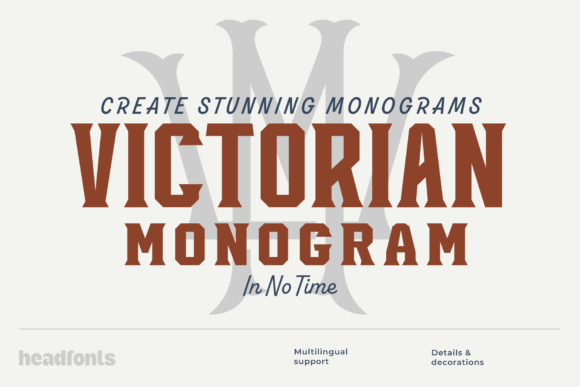
What sets a font like Victorian Monogram apart is its detailed, often decorative character construction. Think of it as the typographic equivalent of a beautifully carved frame or an embossed leather cover. This style of display font is designed to be a focal point, not background noise. Its strength lies in its ability to convey a message beyond the words themselves. A headline set in this typeface immediately suggests tradition, luxury, and attention to detail. It’s particularly effective for projects where you want to evoke a specific era or a sense of established quality without looking dated. The key is in its execution—when used thoughtfully, it feels both timeless and fresh.
Practical Applications for Your Creative Projects
Understanding where such a distinctive font shines is crucial for maximizing its impact. Its ornamental nature makes it ideal for applications where visual impact is paramount and text is used sparingly. Here’s where it truly comes to life:
- Branding & Logo Design: A logo is the cornerstone of a brand identity. Using Victorian Monogram for a monogram, initial, or key word in a logo can create a powerful symbol for businesses in fields like bespoke tailoring, artisanal goods, luxury real estate, high-end salons, or boutique consultancies. It communicates exclusivity and personalized service.
- Packaging & Merchandise: On product labels, gift boxes, or merchandise tags, this font can transform a simple item into a premium offering. Imagine a coffee bag, a candle label, or a t-shirt design featuring a stylized initial or brand name in this ornate style—it adds perceived value and shelf appeal.
- Invitations & Print Materials: For wedding invitations, gala programs, award certificates, or high-end business cards, the font adds a layer of formality and celebration. It sets the tone for the event or the quality of the brand before a single word of the body copy is read.
- Digital Presence & Social Media: In the crowded space of social media, a scroll-stopping graphic is everything. Using Victorian Monogram for profile pictures, highlight covers, or key quote graphics on platforms like Instagram or Pinterest can create a cohesive and memorable aesthetic. It’s also excellent for website hero sections or blog post titles where you want to make a strong first impression.
- Editorial & Marketing Assets: In magazine layouts, lookbooks, or email headers, it can be used for drop caps, section headers, or pull quotes to guide the reader’s eye and break up text with visual elegance. It serves as a powerful design asset for creating premium marketing materials that stand out.
Integrating a Distinctive Font into Your Workflow
Bringing a new creative font into your projects is more than just installation. To use it effectively and ensure it enhances rather than hinders your work, consider these practical steps.
First, consider the pairing. A highly decorative display font like Victorian Monogram should almost never be used for body text. Its intricate details can become illegible at small sizes. The art is in pairing it with a clean, highly readable companion. A simple sans serif font or a clean serif font for paragraphs creates a beautiful contrast that allows the display font to headline without overwhelming the design. Test several combinations to see what balances personality with clarity.
Second, mind the context and readability. Always preview your design at the intended size and on the intended medium. Will it be legible on a mobile screen as a website header? Does it hold up when engraved or embossed? Sometimes, you may need to increase tracking (letter-spacing) slightly for smaller applications to prevent the characters from merging. The goal is to preserve the font’s unique beauty while ensuring the message is accessible.
Third, explore the full font family. Premium fonts often come with multiple styles or weights. Victorian Monogram might include variations like a lighter weight, a more condensed style, or stylistic alternates—different versions of certain letters that offer more design flexibility. Reviewing the font specimen sheet or character map is essential to unlock its full potential and find the perfect glyph for your specific need.
Finally, understand the licensing. This is a non-negotiable step for any commercial project. Whether you're a freelancer creating a logo for a client, a small business owner designing your own packaging, or a content creator making merchandise, you must ensure your license covers your intended use. A commercial font license is an investment that grants you the legal right to use the typeface in projects that generate revenue, protecting both you and your clients. Always read the End User License Agreement (EULA) carefully.
Making a Lasting Visual Impression
In a world saturated with generic visuals, typography is one of your most powerful tools for differentiation. A font choice is a silent ambassador for your brand’s values and aesthetic. Victorian Monogram, with its rich, detailed character, offers a way to inject personality, tradition, and a bespoke quality into your designs. It’s about choosing a typeface that doesn’t just spell out words but helps tell a story. By applying it strategically, pairing it wisely, and respecting its design strengths, you can create work that feels both professionally polished and uniquely captivating. It’s a design asset that, when used with intention, can help your projects speak with clarity and unforgettable style.