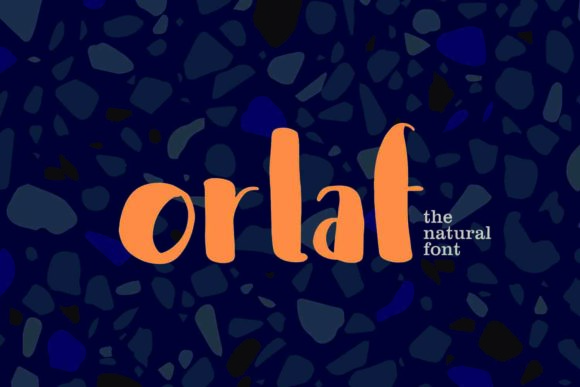
Orlaf: The Display Font with Charming Character
Sometimes a design project calls for something that feels both substantial and friendly, a typeface that doesn't just hold space but fills it with personality. That’s where Orlaf enters the conversation. It’s a display font that balances a cute, approachable vibe with a distinctly bulky, confident presence. Think of it as the visual equivalent of a cozy, well-built armchair—it’s inviting, comfortable, and makes a clear statement in a room. For anyone crafting a brand identity, designing a poster, or creating social media content, finding a font with this kind of dual character can be the key to making a design feel both memorable and genuinely engaging.
A Typeface That Bridges Playfulness and Impact
What makes a font like Orlaf so visually appealing is its refusal to be pigeonholed. It’s not a delicate script or a stark geometric sans serif. Instead, its rounded, generous letterforms give it a soft, almost tactile quality, while its overall weight ensures it commands attention. This combination makes it incredibly versatile. It can soften the hard edges of a tech startup’s branding or add a layer of approachable sophistication to a boutique product line. The font’s personality is its strength—it feels modern without being cold, and distinctive without being distracting.
This unique character makes it a fantastic tool for logo design. A logo set in Orlaf can immediately communicate a brand’s values as being friendly, reliable, and creative. It’s a typeface that works hard for brand recognition. Because its shape is so distinct, it becomes a key part of the visual identity, helping a business stand out in a crowded market. When you see it, you remember it.
From Screen to Shelf: Real-World Applications
The true test of any premium font is how it performs across different mediums. Orlaf shines in both digital and print environments, making it a valuable asset in any designer’s toolkit.
- Digital Presence: On a website, Orlaf can be used for striking headlines that draw the eye without sacrificing the readability of body text when paired with a simpler sans serif font. For social media graphics, its bold presence cuts through the noise of a fast-scrolling feed, making announcements, quotes, or product features pop. It’s also an excellent choice for digital products like e-book covers or online course branding, where a professional yet inviting header sets the tone.
- Physical Collateral: In packaging design, Orlaf’s bulkiness translates beautifully to labels and boxes, giving products a shelf presence that feels both premium and playful. For print materials like posters, flyers, and invitations, it ensures key information is impossible to miss. Imagine a wedding invitation with the couple’s names in Orlaf—it’s formal enough for the occasion but carries a hint of joyful character. It’s equally effective on merchandise, from tote bags to t-shirts, where a bold, clear message is essential.
- Editorial and Marketing: In editorial design, it can create captivating chapter headings or pull quotes that break up long blocks of text. For marketing assets like email headers or webinar slides, it provides a consistent, recognizable visual anchor that strengthens brand identity across all touchpoints.
Making It Work: Practical Typography Advice
Choosing a creative font is just the first step. Using it effectively is what brings a design together. Here are a few practical considerations for working with a display typeface like Orlaf.
Font Pairing is Everything. A bulky display font needs a counterpart. For body copy or longer text, pair it with a clean, highly legible serif font or sans serif font. The contrast allows Orlaf to do its job—capturing attention—while the secondary font ensures your message is easily read. Test different pairings to see what feels balanced for your specific project.
Consider the Context. While Orlaf is versatile, its personality should match your project’s goal. It’s perfect for a children’s brand, a cozy café, a creative agency, or a lifestyle blog. It might feel less appropriate for a legal firm or a luxury watch brand seeking pure, minimalist elegance. Always ask: does this font’s voice align with the story I’m trying to tell?
Review the Included Styles. Many commercial fonts come in a family with different weights or styles. Check what’s included with your license. Does it have a bold or italic variant? Using these variations can create hierarchy and visual interest within your designs while maintaining visual consistency.
Licensing Matters. If you’re using Orlaf for client work, merchandise, or any commercial endeavor, ensure you have the correct commercial license. This is a standard part of professional practice and protects both you and the font’s creator. It’s a small step that underscores the professionalism of your work.
Building a Cohesive Visual Language
Ultimately, a font like Orlaf is more than just a set of letters; it’s a tool for building a cohesive visual language. Its consistent use across a brand’s web design, social media, and print materials creates a unified experience for the audience. This consistency is fundamental to building trust and recognition. When a customer sees the same friendly, bold typography on an Instagram post, a product package, and a website, the brand feels reliable and intentional.
In a landscape saturated with visual content, having a distinct typographic voice is a powerful advantage. It’s not about being the loudest, but about being the most authentic and clear. A thoughtfully chosen typeface like Orlaf provides the foundation for that clarity, helping your creative ideas not just be seen, but be remembered. It turns a simple layout into a standout piece of communication.