Inkaust: The Hand-Drawn Font with Effortless Character
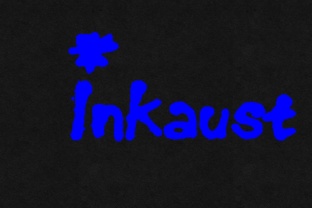
There's a certain magic in a design that feels personal—like it was crafted by a human hand rather than generated by a machine. It’s the kind of authenticity that stops a scrolling thumb on social media or makes a customer pick up a product from a crowded shelf. Inkaust, a hand-drawn, grunge font, taps directly into this desire for genuine, relaxed connection. It’s not just a set of letters; it’s a textured display font designed to inject a casual, approachable vibe into any creative project. For designers and creators looking to break away from sterile perfection, Inkaust offers a breath of fresh air, turning ordinary text into a statement of personality.
Understanding Inkaust's Unique Visual Voice
At its core, Inkaust is a premium font that embraces imperfection. Its visual appeal lies in its organic, slightly weathered texture and uneven baselines, mimicking the natural flow of hand-lettering or a vintage print. This isn't a clean, geometric sans serif font or a formal serif font. Instead, it belongs to the category of handwritten font and textured display font styles, characterized by its rough edges and distinctive character. The "grunge" element isn't about being messy; it's about adding depth, history, and a tangible quality that digital fonts often lack. Think of the warmth of a hand-stamped logo on a craft coffee bag or the inviting, slightly worn lettering on a boutique's signage—that’s the territory Inkaust inhabits.
Where This Creative Font Truly Shines
The true value of a typeface like Inkaust is unlocked through its application. It’s a versatile tool, but its personality demands thoughtful use. Here’s where it can make a significant impact:
- Branding & Logo Design: For businesses that want to project an artisan, eco-friendly, or indie ethos, Inkaust can be a cornerstone of a brand identity. It works beautifully for logos, wordmarks, and brand collateral for coffee shops, bakeries, craft breweries, handmade goods shops, or outdoor adventure brands. It tells a story of craftsmanship before a single word of copy is read.
- Packaging & Product Labels: On shelves crowded with minimalist, corporate designs, Inkaust helps products stand out. It’s ideal for packaging design that aims for a rustic, handmade, or nostalgic feel. Imagine it on a jar of artisanal jam, a bag of organic tea, or a vinyl record sleeve—it immediately communicates a specific quality and origin.
- Marketing & Social Media: In the fast-paced world of social media graphics, authenticity grabs attention. Use Inkaust for quotes, promotional banners, Instagram story headers, or event announcements. Its casual tone feels personal and relatable, which can boost audience engagement more effectively than a formal typeface. It’s a fantastic creative font for creating visual consistency across your posts that feels uniquely yours.
- Print & Editorial Layouts: While not suited for long body text, Inkaust excels in editorial design as a headline or pull-quote font. In magazines, lookbooks, or menu designs, it adds a layer of visual interest and breaks up the monotony of standard typography. For print materials like posters, flyers, or wedding invitations, it sets a relaxed, celebratory, or artistic mood instantly.
- Digital & Web Presence: When used strategically, Inkaust can enhance web design. It’s perfect for hero section headlines, blog post titles, or special announcement banners on a website. It helps establish a consistent vibe that aligns with the brand’s overall tone, making the digital experience feel more cohesive and intentional. For digital products like downloadable planners, e-book covers, or online course graphics, it adds perceived value and personality.
Integrating Inkaust into Your Design Workflow
Adopting a new design asset like Inkaust requires more than just liking its look. To use it effectively and ensure it enhances rather than hinders your project, consider these practical steps:
- Match Font to Project Goal: First, define the emotion or message you need to convey. Is it warmth, ruggedness, playfulness, or nostalgia? Inkaust is perfect for goals centered on authenticity and approachability. It might not be the right choice for a corporate law firm's annual report, but it’s perfect for a yoga studio’s promotional poster.
- Master the Font Pairing: A textured display font like Inkaust needs a calm, neutral partner to ensure readability and balance. Pair it with a clean, simple sans serif font for body text or supporting information. For example, Inkaust for a headline combined with a font like Open Sans or Lato for paragraphs creates a harmonious hierarchy that is both engaging and easy to read. Avoid pairing it with other highly decorative or script fonts, as this can create visual chaos.
- Test for Readability and Scale: Always test your typography in context. View it on both a desktop and a mobile screen. Print it out if it’s for physical materials. Inkaust’s textured details can become muddy at very small sizes, so it’s best reserved for larger applications like headers, logos, and titles. Ensure the letter spacing (tracking) is comfortable for your chosen size.
- Explore Included Styles: A good commercial font often comes with variations. Check if Inkaust includes alternates, ligatures, or multiple weights. These features allow for greater customization and can help you create unique, hand-lettered effects within your designs, further strengthening your visual consistency.
- Clarify Licensing for Commercial Use: If you're using Inkaust for client work, merchandise, or any project that will be sold, you must understand the licensing. A premium font like this will have a specific license (often a desktop, webfont, or app license). Ensure your purchase covers your intended use to avoid legal issues down the line. This is a crucial part of professional modern typography practice.
In a digital landscape saturated with polished, uniform graphics, choosing a font like Inkaust is a deliberate move toward authenticity. It’s a tool for brands and creators who want to communicate on a human level, to build recognition not through loudness but through distinct, tangible character. By thoughtfully applying its hand-drawn texture across your brand identity, packaging, and marketing assets, you create a cohesive visual language that feels both professional and profoundly personal. It’s not about following a trend; it’s about connecting with your audience through design that feels real.